By Richmond and Cambell · Published · Updated
A Cotswolds wedding rarely ends with the last dance. Guests travel a long way, the countryside is worth lingering in, and many couples now plan the celebration as a weekend: a gathering on arrival, the wedding itself, and a slow morning after. Done well, it gives you far more time with the people who came.
Choosing a venue
Start with numbers. Know roughly how many people you will invite before you fall in love with a place, because capacity rules out venues faster than anything else. Then consider the setting, whether you want everything on one site, and how the day will run if it rains.
Practical questions to ask any venue
- Is the venue licensed for ceremonies, or will you need a separate legal ceremony?
- What is the maximum capacity for the ceremony, the meal and the evening?
- What is the wet-weather plan?
- Can you choose your own caterers and suppliers, or must you use theirs?
- What time must music stop and guests leave?
- Is accommodation available on site or nearby?
- How much setting-up and clearing-down time is included?
- What is included in the price, and what is extra?
Guest accommodation
Rural venues often have few rooms nearby, and popular summer weekends book up early. Secure accommodation for the wedding party first, then share a short list of options with guests as early as you can. Houses that sleep several people let families and friends stay together, which many prefer to scattered hotel rooms.
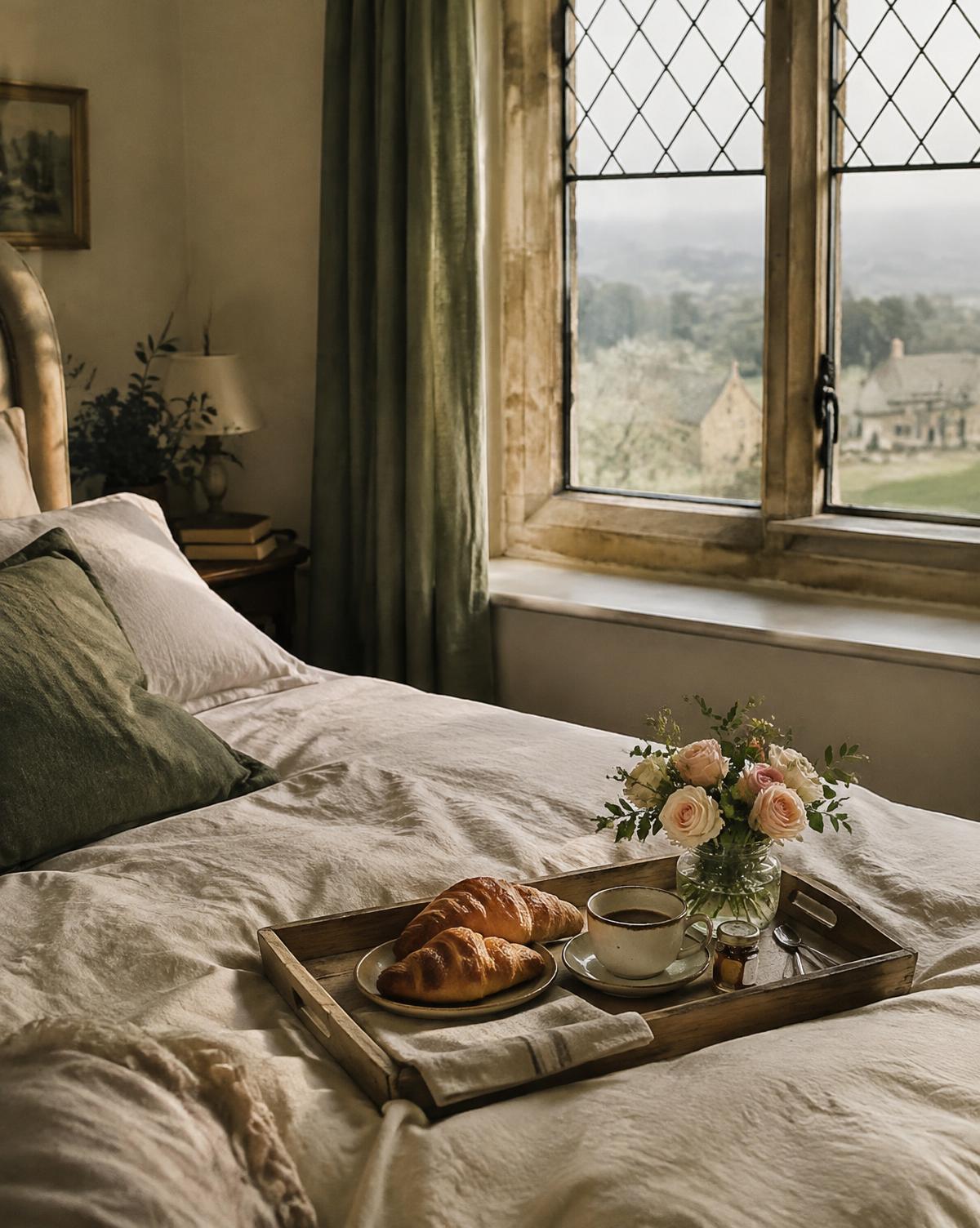
Why a multi-day celebration works
- You spend real time with guests rather than a few minutes at each table.
- Those who travelled furthest get more from the journey.
- Pressure comes off the day itself: not everything has to happen at once.
The arrival gathering
An informal evening the day before lets guests meet, settles nerves and gets introductions out of the way. Keep it simple: food that is easy to eat standing up, drinks, and a clear finishing time so everyone is fresh for the main day.
Dining and hospitality
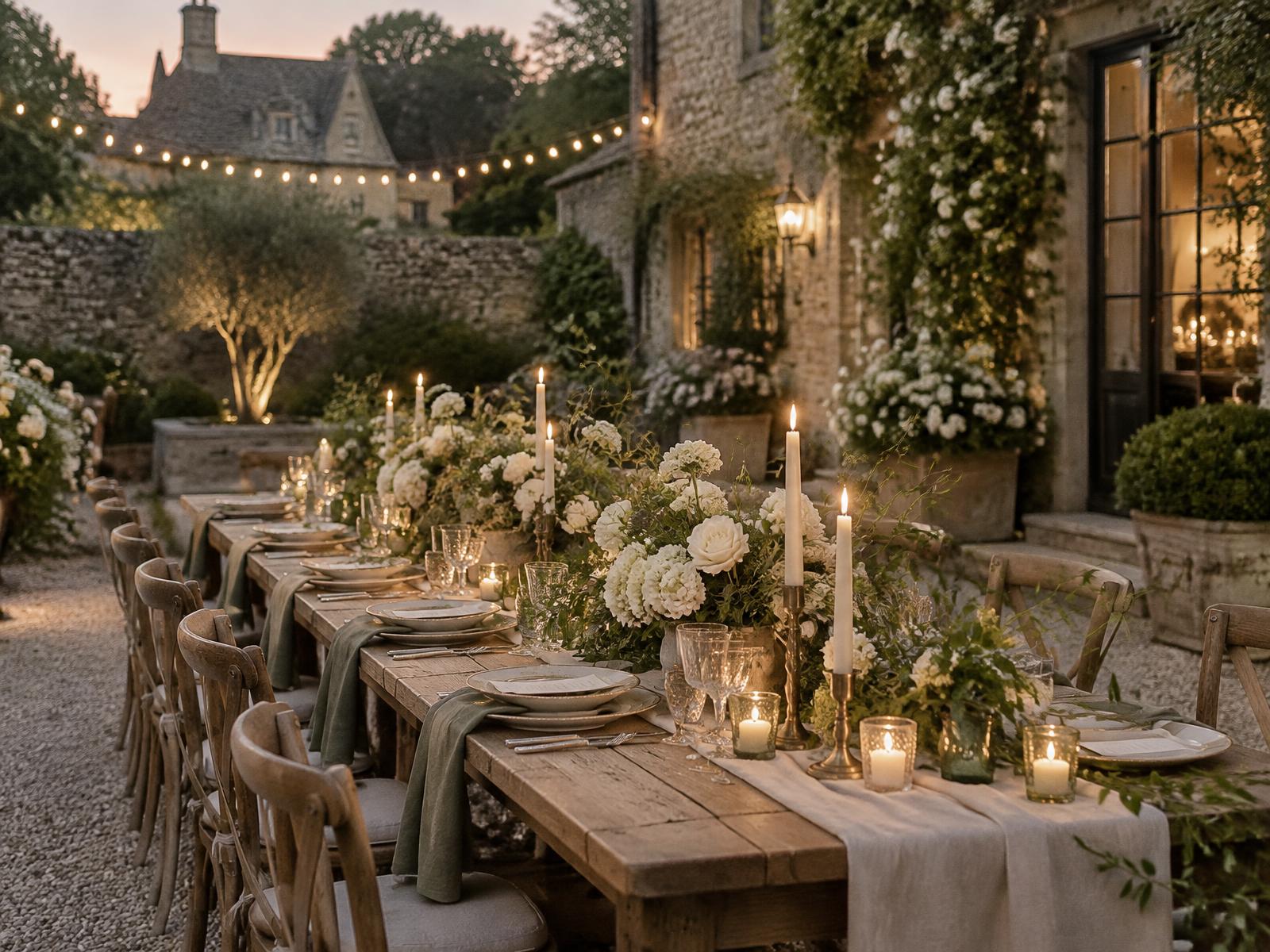
Whether it is a long table under festoon lights or a formal dinner, think about the pace of the meal, dietary needs and how food reaches the table. Over a weekend, plan breakfast and lunch too, especially if guests are staying in self-catering homes.
Seasonal considerations
- Late spring and summer: long light and garden settings, but the highest demand.
- Early autumn: changing colour and shorter evenings; check availability and plan for variable weather.
- Winter: candlelight and fires, short days and a cosier feel. Plan for frost and early darkness.
Travel logistics
Country lanes, limited taxis and late finishes call for a plan. Share clear directions and parking information, and consider arranging transport between accommodation and venue. Note the nearest stations for guests coming by train; in the southern Cotswolds these include Kemble and Chippenham.
The morning after
A relaxed brunch or a slow walk lets everyone say goodbye properly and retell the best moments. It is often the part guests mention afterwards.
Our Weddings & Celebrations page explains how we can help with celebrations and nearby stays. Venue details and availability are confirmed individually, so please ask.
Separate the legal ceremony from the celebration
A place that hosts receptions is not automatically approved for civil marriages or civil partnerships. In England and Wales, premises approval is handled by the relevant local council. Ask the venue and registration authority to confirm the arrangements for your particular ceremony. A celebrant-led gathering and a legally recognised civil ceremony are different matters; do not assume booking one completes the other.
Ask about the exact spaces
Outdoor civil ceremonies can be possible within approved premises arrangements, but the venue’s attractive garden alone does not establish approval. Confirm the intended space, the arrangements with the registrar and the indoor alternative. Religious ceremonies have their own requirements. Take advice from the appropriate registration or religious authority before building invitations and timings around a ceremony location.
Make one practical weekend schedule
Put accommodation arrivals, supplier access, the ceremony, meals and transport onto a single working schedule. Include setting-up and clearing-down periods, not just the hours guests see. Allocate a contact for each decision so caterers, drivers and the venue are not relying on the couple for every answer. Check what access is actually included on the day before and morning after, rather than assuming a weekend booking covers the whole property throughout.
Think about the guests who need more information
Share step-free access details, suitable toilets, quieter spaces and the distances between parts of the event where these matter. Ask guests about dietary and access requirements early enough for suppliers to respond. Families may need a clear plan for children, while someone travelling alone may appreciate an explicit meeting point or shared transport. Good information can be more helpful than adding another formal activity.
Accommodation is a separate agreement
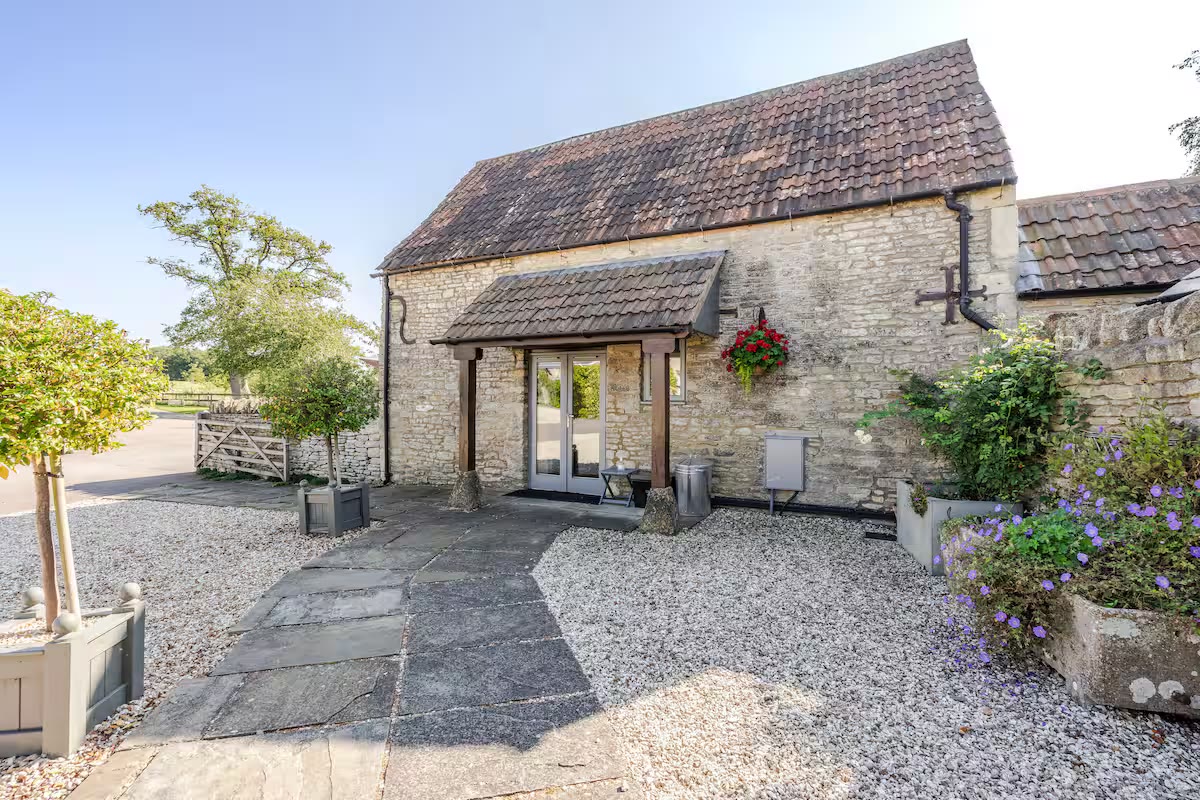
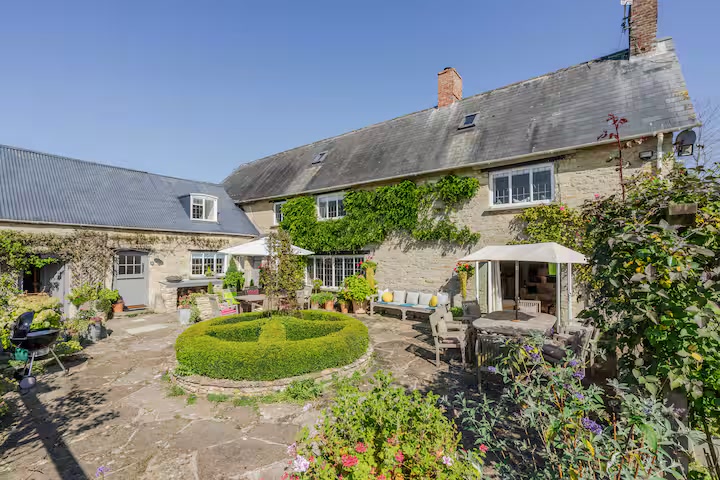
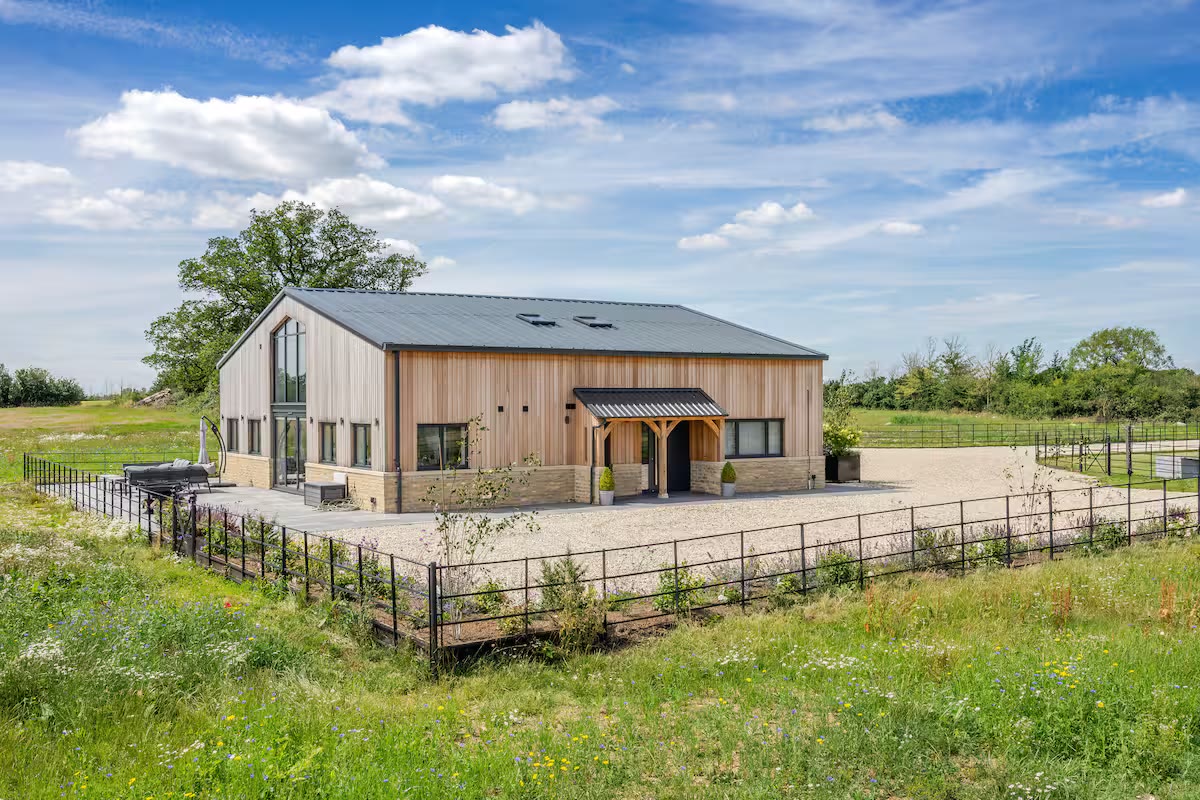
Check which guests are staying where, the check-in and departure arrangements, and who is responsible for each reservation. The Grove sleeps up to eight, The Farmhouse up to seven and The Courtyard Barn up to two; they are holiday homes, not advertised ceremony or reception venues. Their availability and suitability for your overnight guests must be confirmed individually. Do not use the combined guest count as a venue capacity or assume that an event is permitted at a home.
Finish with a handover, not a loose end
Before the weekend, agree where hired items and personal belongings will go, when suppliers collect them and who checks the spaces afterwards. Confirm transport for the final departures as well as the wedding night, including guests with early trains. Allow a weather contingency and realistic journey margins in every season. A well-planned goodbye leaves people free to enjoy the morning, without making the hosts responsible for unanswered practical questions.
Useful sources
Check current visitor information and requirements directly before making arrangements.