By Richmond and Cambell · Published · Updated
The Cotswolds are a broad countryside region, and the distance between places is easy to underestimate. A stay in a busy village on the tourist trail feels very different from one at the end of a farm track. Before you look at a single photograph, it helps to decide what kind of break you want.
What a countryside stay here is really like
Most visitors picture honey-coloured stone, steep roofs and narrow lanes, and they will find them. What surprises people is how much of the Cotswolds is working farmland: wide fields, drystone walls, hedgerows and long views. The best stays tend to make use of both. You can choose somewhere quiet as a base for visits to a market town, a garden or a countryside lunch, checking each journey before you travel.
Expect to need a car. Buses between villages are limited, and the walking, though wonderful, is best treated as the reason for a day rather than the way to reach the shops.
Traditional cottages or contemporary barn conversions?
The case for old stone
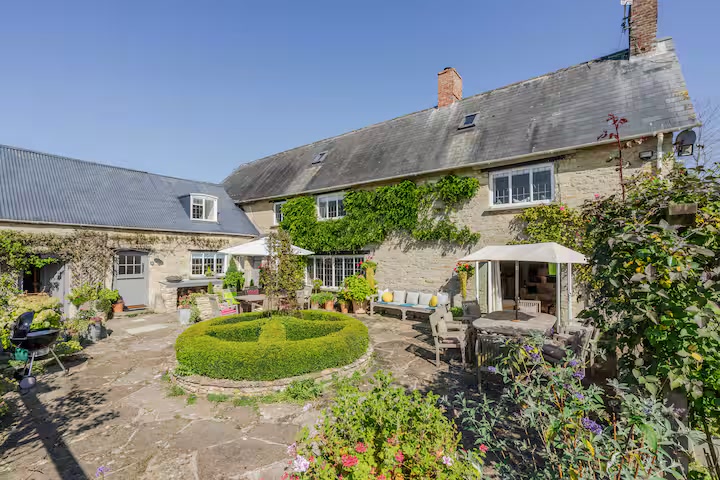
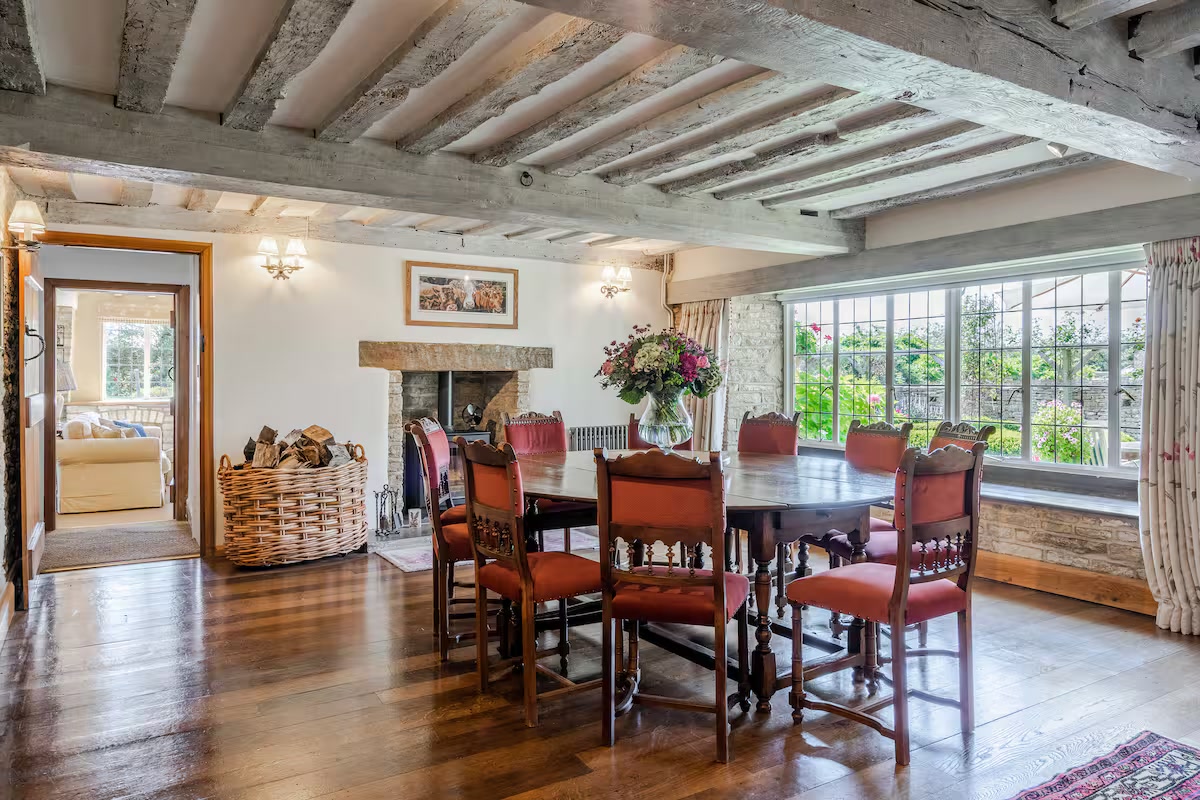
A traditional farmhouse or cottage gives you thick walls, low beams, deep window seats and fireplaces built for real use. Rooms are often a little smaller and more numerous, which suits groups who like a quiet corner each. The Farmhouse is this kind of house: Cotswold stone, an Aga in the kitchen, a log burner and an open fireplace in the oak-floored dining hall.
The case for space and light
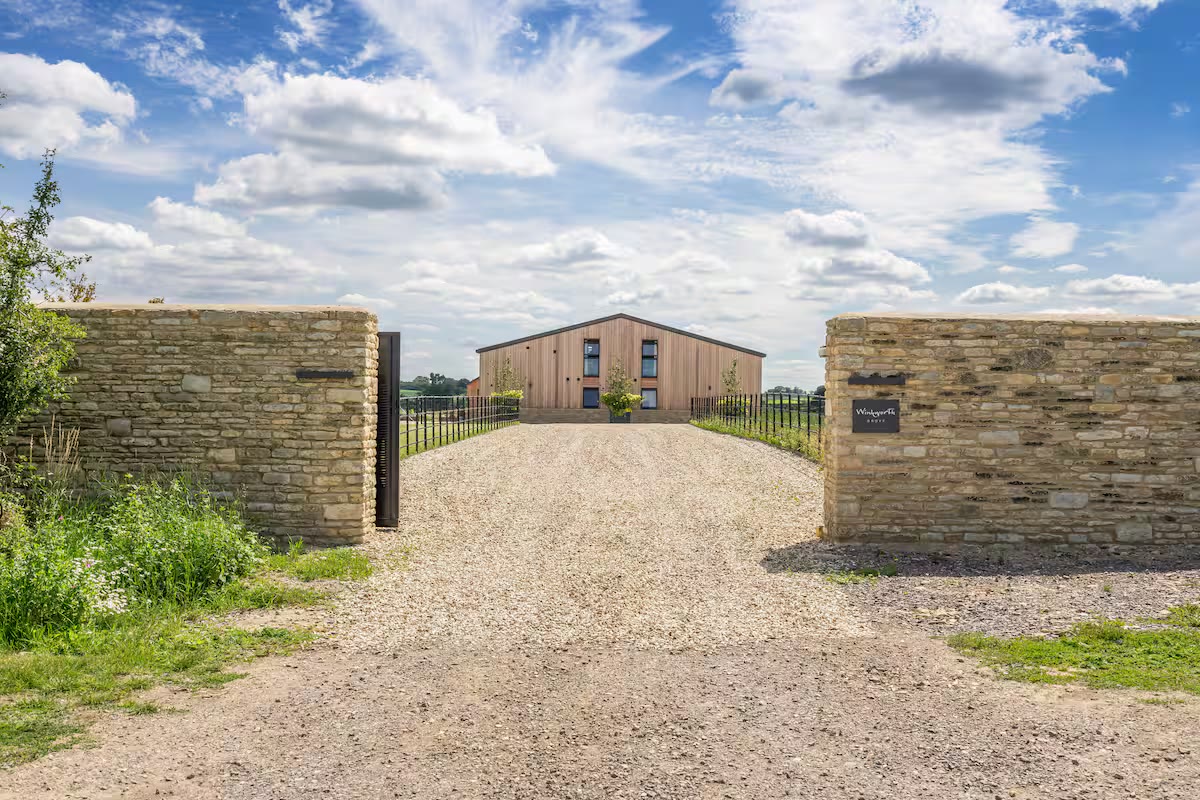
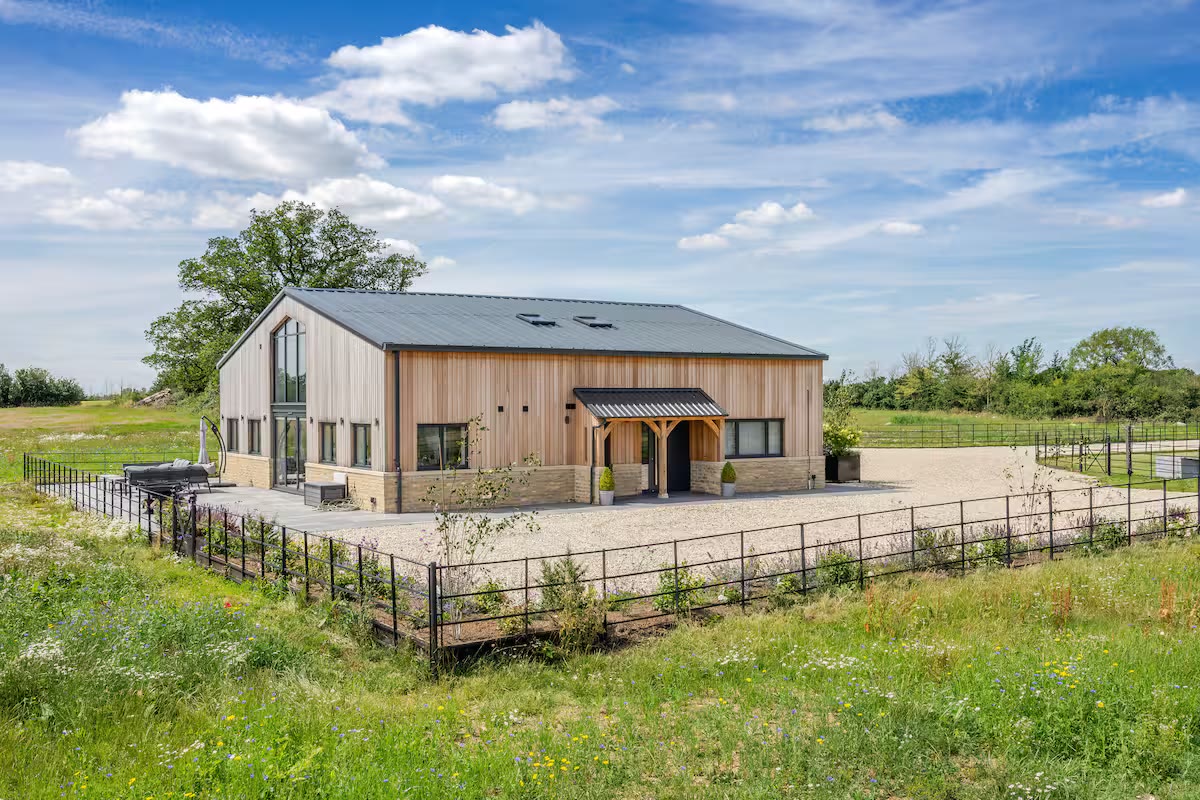
Barn conversions trade cosiness for volume. Double-height ceilings, big glazing and open-plan living mean everyone can be in the same room without feeling crowded. The Grove is a contemporary conversion of around 350 square metres, with a mezzanine and wide views across organic pasture. It is the house for people who want architecture as much as atmosphere.
Couples, families and groups
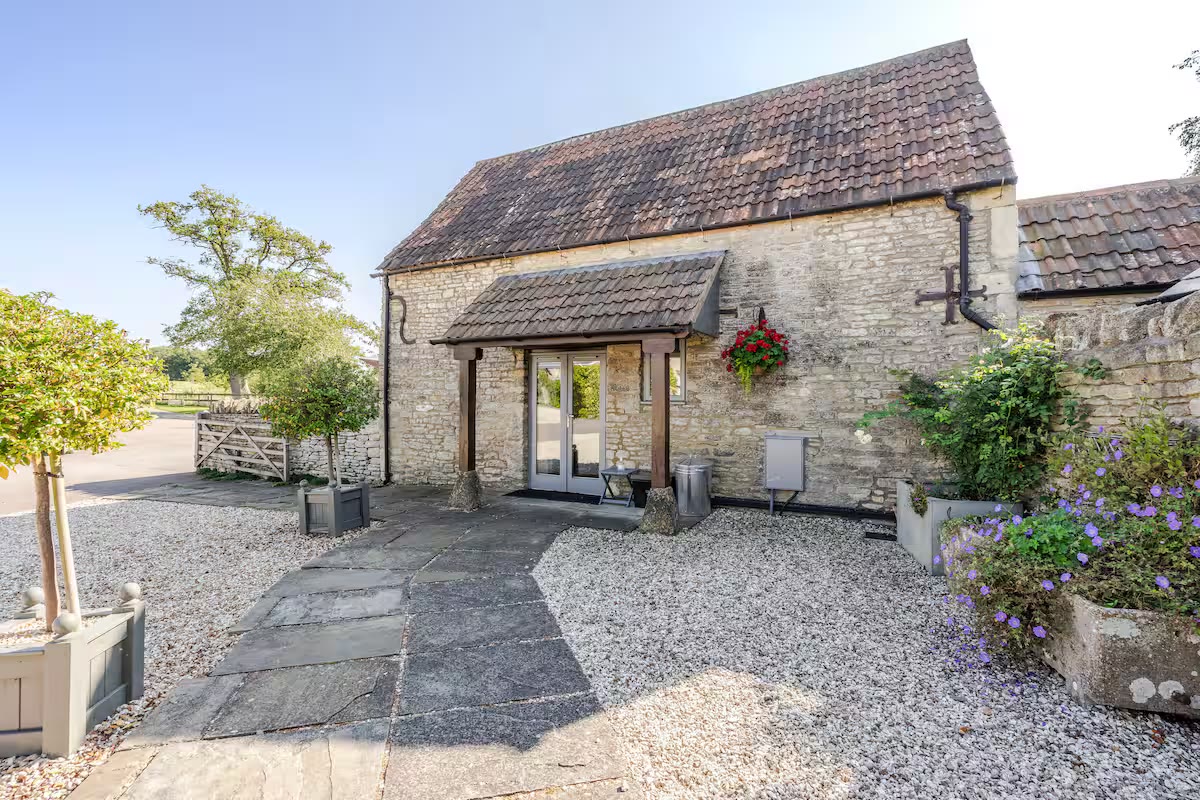
For two people, size matters less than privacy. Look for a self-contained place with its own outdoor space, a properly comfortable bed and a shower worth standing in. The Courtyard Barn was arranged with exactly that in mind: one king-size bedroom, a walk-in shower, a kitchenette and a private patio.
For families and friends, count bathrooms as carefully as bedrooms, and check the dining table seats everyone at once. A shared supper is usually the moment people remember. Both The Grove (up to eight guests) and The Farmhouse (up to seven) have kitchens and dining spaces sized for the whole party.
Choosing a location
- Honeypot villages such as Bibury and Bourton-on-the-Water are beautiful and busy, especially at weekends in summer.
- The southern Cotswolds, around Malmesbury and Tetbury, are quieter, with easy reach of Bath and the M4.
- The north, around Chipping Campden and Broadway, is best for long walks on the Cotswold Way and for visitors coming from the Midlands.
- Check the drive to anything you plan to do daily. Country lanes are slower than maps suggest.
Malmesbury and the surrounding countryside
All three of our homes sit in farmland near Malmesbury, on the southern edge of the Cotswolds in Wiltshire. The town is one of England's oldest boroughs, set on a hill above the River Avon and crowned by the remains of its medieval abbey. It makes an easy base: Tetbury and Westonbirt Arboretum are close, Bath and Cirencester are within reach, and you return each evening to open country. Our guide to Malmesbury goes into more detail.
Matching the home to the stay
- A quiet weekend for two: a self-contained retreat with outdoor space.
- A family gathering across generations: a traditional house with bedrooms spread over several rooms and a big table.
- Friends who want to be together: open-plan living, generous kitchen, several bathrooms.
- A celebration: ask early about dates, parking and whether private dining can be arranged.
Whatever you choose, ask the host what is included and what can be arranged. A good host will tell you plainly.
Read the practical details before choosing
A photograph tells you about atmosphere, but not about the shape of a stay. Before deciding, ask for the sleeping arrangement room by room. Four bedrooms might suit four couples, or it might include twins that work better for children. Compare the actual beds, bathrooms and shared spaces with the people coming, rather than treating the maximum guest count as the only measure.
Access, arrival and everyday comfort
Old houses and converted farm buildings vary considerably. Ask about the route from parking to the door, thresholds, internal stairs and the bathroom layout if anyone has mobility requirements. A description such as “ground floor” does not establish step-free access. Explain the specific need, including a walking aid or wheelchair where relevant, and request confirmation before committing.
Check arrival and departure arrangements, the kitchen equipment you expect to use, and whether the outdoor space is private or shared. If travelling with children or a dog, ask about suitability and any conditions rather than assuming acceptance. These are questions to put to the host; they are not statements that every home has the same facilities or policies.
Build the break around one manageable area
The wider Cotswolds region and the formally designated Cotswolds National Landscape are not interchangeable descriptions. A countryside base near Malmesbury can work well for exploring southern destinations, but it is not a promise that every famous village is just around the corner. Look at a map, choose the places that genuinely interest you and allow for the return journey as well as the drive out.
For a two-night visit, keep the first evening close to home, give the middle day to one town or a walk, and leave the final morning light. On a longer stay, alternate outings with time at the house. If walking is the main purpose, choose the trail section first: the Cotswold Way runs between Chipping Campden and Bath, not through Malmesbury, so reaching a particular section may require transport.
What to include in your stay request
Send dates, the total number of guests and any flexibility, along with the requirements that could affect your choice. It is helpful to mention bed arrangements, access needs, a celebration or plans for dining. Richmond and Cambell uses Request to Book: the form asks us to check a stay, rather than reserving dates immediately. Wait for written confirmation and review the terms shared with you before making dependent travel arrangements.
Useful sources
Check current visitor information and requirements directly before making arrangements.